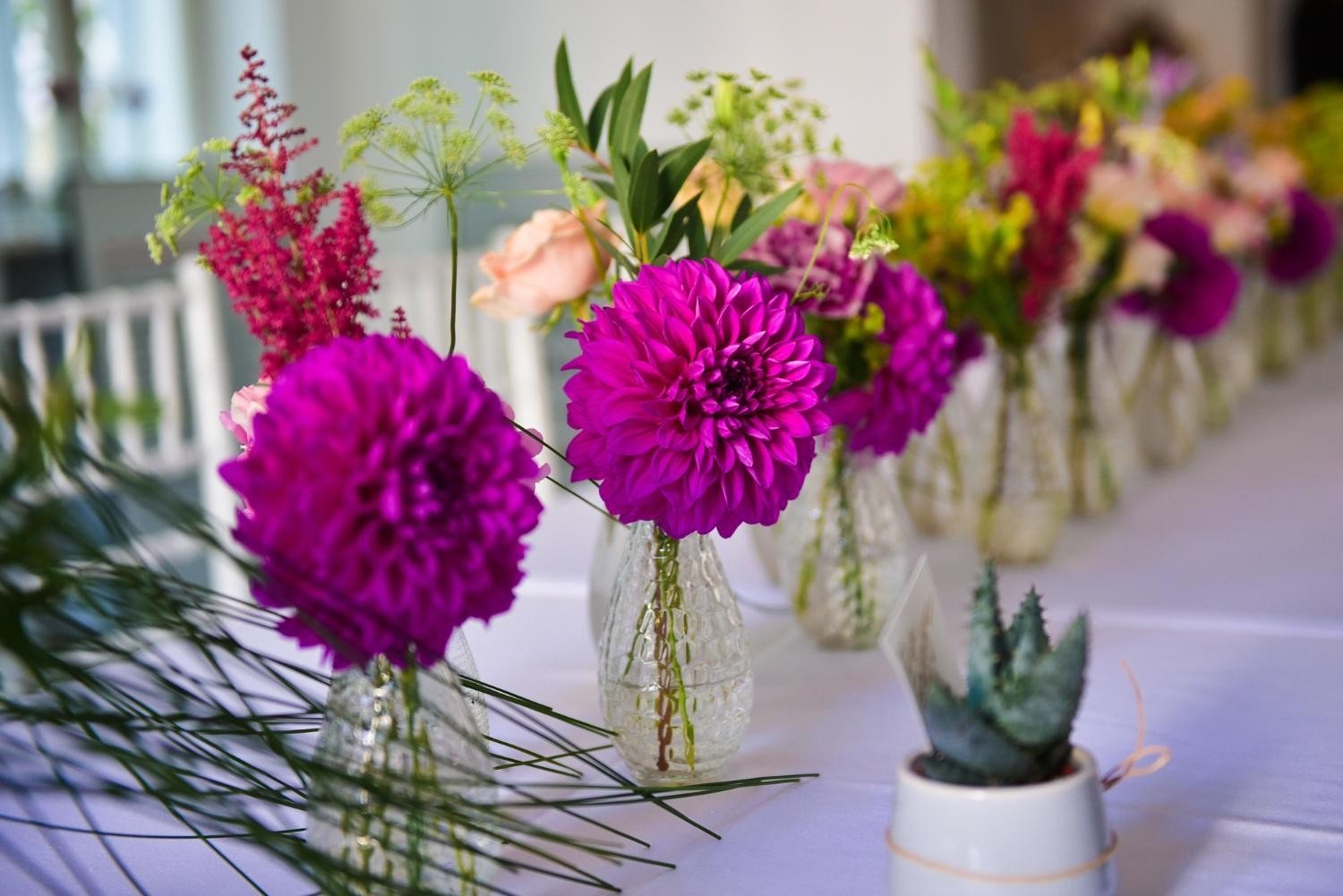
Flowers can play an important role in creating attractive, welcoming, and professional environments. In corporate offices, they introduce colour and soften modern interiors, while at business events, they help establish the atmosphere and complement the overall event design. When selected thoughtfully, floral arrangements can enhance the appearance of a space without interfering with its functionality.
Creative ways to use floral arrangement rentals in corporate offices and business events include decorating reception areas, adding subtle centrepieces to conference tables, styling executive lounges, and creating coordinated displays for networking sessions, product launches, and company celebrations. The key is to choose designs that suit the purpose of the space, reflect the business’s identity, and maintain a consistent visual style.
For businesses seeking a convenient way to keep their interiors looking polished, Floral Image offers designer floral arrangements and monthly refresh services. This approach allows businesses to enjoy attractive floral décor without the regular watering and maintenance associated with fresh flowers.
Whether you manage a corporate headquarters, a professional practice, a coworking space, or a venue for business events, floral styling can help create a more considered experience for employees, clients, and guests.
Why Floral Arrangements Matter in Corporate Environments
Corporate interiors communicate a great deal about a business before a conversation even begins. Furniture, lighting, colours, and decorative details all influence how visitors perceive a workplace.
Floral arrangements provide a simple way to add visual interest while maintaining a professional atmosphere. Their colours, shapes, and textures can complement architectural features and make formal spaces feel more inviting.
Creating a Positive First Impression
The reception area is often the first point of contact for clients, business partners, and prospective employees. A thoughtfully selected floral arrangement can make the space feel welcoming and demonstrate attention to detail.
Businesses can use floral décor in several ways:
- Place a designer arrangement on a reception counter or nearby console.
- Select colours that complement the company’s logo and interior palette.
- Use a statement display in a spacious lobby with high ceilings.
- Choose compact arrangements for smaller reception desks.
- Coordinate flowers with nearby artwork, seating, and lighting.
The aim is to create a focal point without making the entrance feel crowded. A well-proportioned arrangement can enhance the reception area while allowing visitors and staff to move comfortably.
Making Workspaces Feel More Inviting
Modern offices often feature neutral walls, glass partitions, metal finishes, and streamlined furniture. Although these elements create a contemporary appearance, the space can sometimes feel impersonal.
Floral arrangements introduce softer shapes and contrasting textures that help balance these materials. A subtle arrangement on a sideboard, a decorative display in a client lounge, or a compact accent near a collaborative workspace can add warmth without cluttering the environment.
The most effective designs complement the existing interior rather than compete with it.
Supporting a Consistent Brand Image
Businesses can use floral styling to reinforce their visual identity. Coordinated colours and design choices help create a consistent experience across reception areas, meeting rooms, executive offices, and event spaces.
For example, a business with a neutral brand palette may prefer white, cream, and green arrangements. A creative organisation may choose more expressive colour combinations that reflect its personality.
Consistency does not require every arrangement to look identical. Instead, a shared colour palette, similar design language, or complementary arrangement styles can connect different areas of a workplace.
Creative Ways to Use Floral Arrangements in Corporate Offices
Every office area serves a different purpose, so floral arrangements should be selected according to how people use the space. A reception display may need to stand out, while a conference room arrangement should remain discreet and practical.
1. Design an Elegant Reception Display
Reception areas are ideal for statement floral designs because they offer visitors an immediate introduction to the workplace’s atmosphere.
A sculptural arrangement on a console or a carefully positioned display near the reception desk can complement modern furniture and architectural finishes.
Consider these styling ideas:
- Use white and green arrangements for a refined, understated appearance.
- Introduce brand colours through carefully selected accent shades.
- Match the arrangement’s size to the reception furniture.
- Choose a distinctive design for a spacious lobby.
- Keep the surrounding area uncluttered to preserve the visual impact.
Businesses with multiple office locations can also use similar styling principles across their receptions to maintain a consistent brand experience.
2. Add Subtle Centrepieces to Conference Tables
Conference rooms host client meetings, presentations, interviews, and internal planning sessions. Floral décor can make these spaces feel more polished, provided it does not distract participants.
Low-profile centrepieces are generally suitable for meeting tables because they preserve sightlines and leave enough room for laptops, documents, and refreshments.
Other useful options include:
- Compact arrangements placed at the centre of larger tables.
- Small displays on sideboards or shelving.
- Coordinated floral accents in adjoining meeting rooms.
- Neutral arrangements for formal boardrooms.
- More expressive designs in informal collaboration spaces.
The purpose of conference room décor is to complement the meeting environment, not become the main attraction.
3. Style Executive Offices and Client Lounges
Executive offices and client lounges often combine comfortable seating, quality furniture, and decorative accessories. Floral arrangements can connect these elements and create a cohesive appearance.
For executive offices, a small arrangement on a credenza or side table can introduce colour without occupying valuable desk space. In client lounges, a larger display may work well on a central console or a suitable side table.
To achieve a professional result:
- Match the colours to the furniture and interior finishes.
- Use restrained arrangements in minimalist offices.
- Choose distinctive designs for larger lounges.
- Avoid placing flowers where they obstruct screens, documents, or walkways.
- Maintain a consistent design style across connected spaces.
These small details can help businesses create an environment that feels thoughtfully designed and suitable for professional interactions.
4. Introduce Floral Accents in Breakout Areas
Breakout spaces offer employees a place to relax, have informal discussions, or step away from their desks. Their design can be slightly more relaxed than that of formal meeting rooms.
Floral arrangements can complement lounge seating, timber furniture, soft lighting, and decorative shelving.
For a practical approach, choose compact displays that do not interfere with shared surfaces or everyday activities. Colourful arrangements may suit creative workplaces, while softer shades can complement offices with neutral interiors.
Avoid placing arrangements near food preparation surfaces or in busy areas where they could be knocked over.
5. Use Floral Styling to Refresh Shared Spaces
Shared spaces can benefit from decorative consistency, particularly in larger offices with multiple departments or floors.
Rather than placing flowers everywhere, identify a few locations where arrangements will have the greatest visual impact. These might include the main reception, a client waiting area, a shared lounge, or a prominent corridor console.
A coordinated approach can make the workplace feel connected without adding unnecessary decoration.
Creative Ways to Use Floral Arrangements at Business Events
Business events provide opportunities to use floral arrangements more expressively. The décor should support the event’s purpose, reflect its tone, and work alongside the venue’s existing design.
1. Create a Welcoming Entrance for Corporate Events
The entrance sets expectations for the event. Whether the occasion is a networking evening, an industry conference, or a company celebration, floral styling can help make the venue feel organised and welcoming.
Consider using arrangements near the registration desk, entrance signage, or guest reception area.
Effective styling choices include:
- A statement arrangement near the welcome desk.
- Coordinated flowers that complement the event’s branding.
- Compact displays around registration areas.
- Floral accents that frame signage without blocking it.
- Matching arrangements in nearby waiting or networking spaces.
The arrangement should enhance the guest experience while leaving clear routes for registration queues and movement.
2. Decorate Tables for Corporate Dinners and Networking Events
Corporate dinners, award ceremonies, networking evenings, and client appreciation events often involve seated conversations. Table arrangements can add visual interest while helping the venue feel coordinated.
For dining tables, low arrangements are often practical because they allow guests to speak comfortably across the table. Larger statement pieces may be better suited to entrance tables, buffet areas, or designated display zones.
When selecting event centrepieces, consider:
- The size and shape of each table.
- The number of guests seated around it.
- The height of the arrangements.
- The event’s colour scheme and lighting.
- The amount of space needed for food, drinks, and service.
For a cohesive result, coordinate the floral palette with table linens, stationery, signage, and other decorative details.
3. Style Product Launches and Brand Events
Product launches and brand events often rely on a carefully planned visual environment. Floral arrangements can complement the brand identity and support the overall presentation.
For example, a business launching a new premium service might use elegant, restrained arrangements around the reception area. A creative company could incorporate bolder colours that reflect its branding.
Useful placement ideas include:
- Arrangements near the welcome desk.
- Floral accents around lounge seating.
- Displays beside designated photo areas.
- Decorative arrangements near refreshments.
- Coordinated accents in networking zones.
Flowers should not obscure product displays, presentation screens, sponsor logos, or event signage. The objective is to create a unified setting where the floral décor supports the event rather than competing with its main purpose.
4. Enhance Award Ceremonies and Company Celebrations
Award ceremonies, milestone celebrations, employee recognition events, and annual gatherings benefit from décor that feels celebratory while remaining appropriate for a professional audience.
Floral arrangements can be placed on registration tables, stage-side consoles, dining tables, and designated presentation areas.
For a more polished appearance, coordinate the arrangement colours with the event’s theme and existing venue features. Keep stage displays proportionate so they do not interfere with speakers, award recipients, or photography.
Businesses can also use similar floral styling across recurring annual events to establish a recognisable visual identity.
5. Add Floral Details to Networking Spaces
Networking events depend on comfortable movement and opportunities for conversation. Floral décor should help define the environment without restricting access.
Small arrangements on selected console tables, lounge areas, and refreshment stations can introduce colour while keeping the main networking areas open.
Avoid placing large displays in narrow walkways or near crowded registration points. A few well-positioned arrangements often work better than decorating every available surface.
How to Choose the Right Floral Arrangements for Offices and Events
The most suitable arrangement depends on the space, the audience, and the overall design objective.
Consider the Size of the Space
Large lobbies and event venues can accommodate more prominent arrangements, while compact offices and meeting rooms generally benefit from smaller designs.
Measure the available space and consider sightlines, furniture proportions, and the amount of room people need to move comfortably.
Match Colours to the Setting
Colour coordination helps floral arrangements feel connected to their surroundings.
- White and green: Suitable for understated, contemporary interiors.
- Soft pastels: Useful for creating a gentle, welcoming atmosphere.
- Bold colours: Appropriate for creative environments and selected brand events.
- Deep, rich shades: Can complement formal dinners and premium event settings.
- Seasonal combinations: Offer variety throughout the year.
Choose colours that work with the interior rather than introducing too many competing shades.
Think About Practicality and Maintenance
Fresh flowers may require watering, trimming, and replacement. At busy workplaces or recurring events, these responsibilities can add to the workload of office managers and event coordinators.
Designer artificial floral arrangements offer an alternative for spaces where a consistent decorative appearance is important but routine floral care is inconvenient.
Businesses should also consider the placement of arrangements, accessibility, cleaning requirements, and any sensitivities among employees or guests.
Why Floral Arrangement Rentals Can Be a Practical Choice
Businesses do not always need to purchase and maintain floral arrangements themselves. Floral arrangement rentals can offer a convenient option for organisations that want attractive workplace décor with less routine maintenance.
A rental or managed floral service can be particularly useful for offices that want to maintain a consistent appearance throughout the year.
Potential advantages include:
- Reduced maintenance: Designer artificial arrangements do not require the regular watering associated with fresh flowers.
- Consistent presentation: Carefully selected arrangements can complement the office’s design and brand identity.
- Regular refreshes: Scheduled updates introduce variety without requiring businesses to organise every change themselves.
- Flexible styling: Different arrangements can suit reception areas, executive offices, meeting rooms, and other spaces.
- Simplified planning: A managed service can reduce the effort involved in sourcing and replacing decorative arrangements.
Floral Image offers designer floral arrangements and monthly refresh services for corporate environments. Businesses can explore its offerings and available service options directly through the Floral Image website.
When considering any rental or managed service, check the arrangement options, refresh schedule, service coverage, and terms to determine whether they suit your workplace or event requirements.
Common Mistakes to Avoid When Using Floral Décor
Even attractive floral arrangements can look out of place when they do not suit the setting. A few practical considerations can help businesses achieve a balanced result.
Choosing Arrangements That Are Too Large
Oversized displays can overwhelm small reception desks, meeting tables, and networking areas. Select arrangements that fit the available space and allow people to move comfortably.
Overusing Colours and Decorative Elements
Too many competing colours can make an interior appear cluttered. Choose a primary palette and introduce complementary shades to create a coordinated appearance.
Ignoring the Event’s Purpose
A formal client meeting requires a different decorative approach from a company celebration. Match the style, colour, and scale of the arrangements to the occasion.
Blocking Visibility and Access
Floral displays should never obstruct walkways, emergency exits, accessibility routes, signage, or conversations across meeting tables. Practical requirements should always take priority.
Neglecting Overall Presentation
Dusty artificial flowers, damaged stems, and poorly positioned arrangements can undermine an otherwise polished environment. Periodic visual checks help maintain a professional appearance.
Final Thoughts
Floral arrangements offer businesses a versatile way to enhance corporate offices and professional events. From elegant reception displays and subtle meeting room centrepieces to coordinated event entrances and sophisticated dining table arrangements, the right floral styling can make a space feel more welcoming and visually cohesive.
The key is to consider the purpose of each area, select suitable colours and proportions, and ensure the décor complements the business’s identity. Maintenance requirements should also be considered, particularly in busy offices and venues that host recurring events.
For organisations seeking attractive interiors without the demands of regular flower care, Floral Image provides designer floral arrangements and monthly refresh services that can help maintain a polished workplace environment.
With thoughtful planning and appropriate floral styling, businesses can create professional spaces that leave a positive impression on employees, clients, partners, and event guests.
Frequently Asked Questions
1. What are the best ways to use floral arrangements in corporate offices?
The most effective options include reception displays, compact conference table centrepieces, executive office arrangements, client lounge accents, and floral décor in employee breakout spaces. Each arrangement should complement the room’s purpose and interior design.
2. How can floral arrangements improve a business environment?
Floral arrangements introduce colour, texture, and visual interest. They can soften formal interiors, make reception areas more welcoming, and support a consistent professional image across the workplace.
3. What types of flowers are suitable for corporate events?
The most suitable choices depend on the event theme, venue, brand colours, and desired atmosphere. Neutral arrangements often suit formal conferences, while colourful designs can complement product launches, networking events, and company celebrations.
4. Are artificial floral arrangements suitable for office décor?
Yes. Designer artificial arrangements can provide a consistent decorative appearance without the watering, trimming, and replacement requirements associated with fresh flowers. They are particularly useful for businesses seeking low-maintenance workplace styling.
5. How can floral arrangements complement corporate branding?
Businesses can coordinate floral colours with their logos, interior finishes, event signage, and other visual elements. A consistent colour palette across different spaces helps create a recognisable and cohesive brand experience.