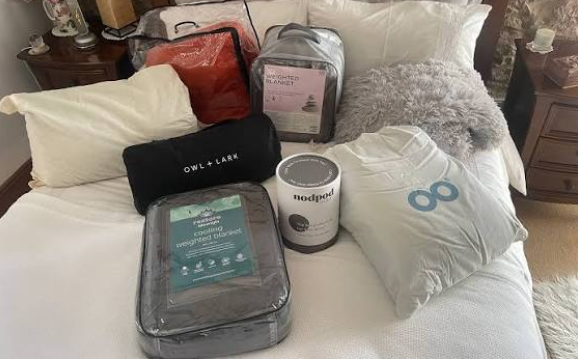
The distinction between a weighted throw and a weighted blanket matters more than it might seem. Throws are typically sized for single-person use while seated or reclining — on a couch, in a reading chair, or at a desk. Full-size weighted blankets are designed for bed use. Choosing the right format depends on how and where you plan to use it.
When a Throw Makes More Sense
A weighted throw blanket is more versatile than a full weighted blanket for someone whose primary use case is relaxation during waking hours — working from home, watching TV, reading, or managing anxiety during the day. The smaller size is also more practical to move between rooms or take to other locations.
See also: Why Customer Journey Intelligence Matters More Than Individual Support Channels
Weight and Size Interaction
Because throws are smaller, the same weight rating feels more concentrated than in a full-size blanket. A 15-pound throw covers less body area than a 15-pound full blanket, which means the pressure per square inch is higher. If you’re sensitive to pressure, consider stepping down in weight when moving from a full blanket to a throw.
The American Occupational Therapy Association notes that the therapeutic effect of deep pressure stimulation is most consistent when pressure is distributed across the torso — which means a throw sized to cover your lap and torso while seated achieves the intended effect better than one that covers only your legs.
Durability Considerations
Throws get used differently than bed blankets — more folding, more repositioning, more transport. The stress on the seams from this kind of use is different from a blanket that mostly gets pulled up and smoothed out. Look for double-stitched seams and reinforced corners, particularly if you plan to use the throw regularly outside the home.