Natural light can change the way a commercial building feels and functions. In warehouses, retail units, offices, workshops, and industrial facilities, well-positioned roof glazing can reduce reliance on artificial lighting while making interior spaces feel more open and comfortable. For businesses planning a new installation or refurbishment, shop commercial rooflights can provide a practical route toward better daylight distribution. Skylights Roof Lanterns offers options that can suit different building types, roof structures, and design requirements.
Why Natural Light Matters in Commercial Spaces
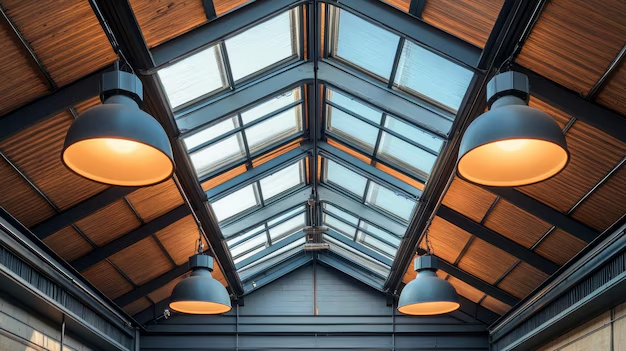
Commercial buildings often depend on artificial lighting throughout the working day, particularly in areas located away from windows. Rooflights introduce daylight from above, allowing illumination to reach deeper into large floor areas.
This can be particularly useful in buildings with wide footprints where perimeter windows cannot provide enough light. A carefully planned rooflight layout can distribute daylight across workspaces, circulation areas, display zones, and production floors.
Natural illumination can also influence how people experience a workplace. A brighter interior may feel more pleasant and less enclosed, while retail environments can benefit from daylight that helps products and displays appear more natural.
Common Commercial Rooflight Options
The right rooflight depends on the building’s structure, purpose, roof profile, and performance requirements. Several designs are commonly used across commercial and industrial properties.
Polycarbonate Rooflights
Polycarbonate is widely used for commercial applications because it combines durability with relatively low weight. These rooflights can be manufactured in different profiles to complement various roofing systems.
Multiwall and structured polycarbonate options can provide good thermal performance while allowing daylight into the building. The material is also resistant to impact, making it suitable for demanding commercial environments.
GRP Rooflights
Glass-reinforced plastic, commonly known as GRP, is another established choice for commercial and industrial roofs. GRP rooflights can be incorporated into profiled roofing systems and are often selected for warehouses, agricultural buildings, factories, and workshops.
Their translucent surface allows daylight to pass through while maintaining a practical roof construction. Different grades and finishes can be considered depending on the required level of light transmission and durability.
Glass Rooflights
Glass offers a more architectural appearance and can be particularly suitable for offices, retail developments, atriums, and other spaces where aesthetics are a major consideration.
Modern architectural glazing can provide clear daylight and can be specified with coatings or treatments designed to support thermal and solar-control requirements. Although glass may require a more substantial supporting structure, it can create a refined finish in customer-facing commercial spaces.
Roof Lanterns
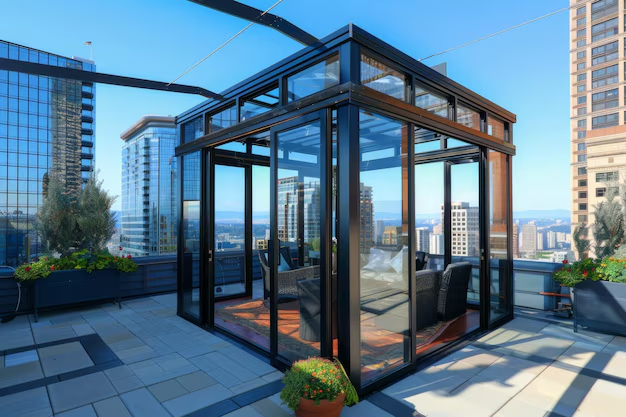
Roof lanterns are raised glazed structures that sit above the roofline. They are often associated with extensions, showrooms, offices, hospitality spaces, and heritage-inspired commercial properties.
Their elevated design allows daylight to enter from several angles, which can create a distinctive interior atmosphere. Roof lanterns can also become an architectural feature rather than simply serving as a functional source of daylight.
Choosing the Right Rooflight for the Building
Rooflight selection should begin with the existing roof and the purpose of the building. A warehouse used for storage may have different requirements from a restaurant, office, or retail showroom.
Key considerations include:
- Roof construction: The roof profile and structural system influence which rooflight designs can be installed.
- Daylight requirements: The size, position, and number of rooflights affect how daylight spreads through the interior.
- Thermal performance: Glazing should be assessed alongside the building’s insulation and heating or cooling requirements.
- Solar control: Excessive solar gain can increase indoor temperatures during warmer periods.
- Durability: Commercial rooflights need to withstand the conditions associated with their location and use.
- Maintenance: Access, cleaning requirements, and replacement considerations should be reviewed before installation.
- Appearance: Visible roof glazing may need to complement the architectural character of the property.
A rooflight that works well in one building may not be appropriate for another. Professional assessment can help determine the most suitable combination of materials, dimensions, positioning, and specifications.
Improving Daylight Without Creating Glare
More daylight does not automatically mean better daylight. Large areas of direct sunlight can create glare, uncomfortable heat, or uneven illumination, particularly in offices and buildings containing screens or sensitive equipment.
Rooflight positioning therefore deserves careful attention. Diffused glazing can spread light more evenly, while solar-control options may help manage unwanted heat and glare.
The building’s orientation, surrounding structures, roof pitch, internal layout, and local climate can all influence performance. These factors should be considered as part of the design rather than treating the rooflight as an isolated component.
Rooflights and Energy Efficiency
Artificial lighting represents one part of a commercial building’s energy demand. Increasing the amount of usable daylight can allow lighting systems to operate for fewer hours or at lower output, particularly when rooflights are combined with daylight sensors and efficient LED fixtures.
Thermal performance matters just as much. Poorly specified glazing can contribute to unwanted heat loss during colder periods or excessive heat gain during warmer weather. Modern rooflight systems can therefore be assessed for properties such as U-values, light transmission, solar performance, and air permeability.
The most suitable specification will depend on the building and its wider energy strategy. Rooflights should work alongside insulation, ventilation, heating, cooling, and lighting controls rather than being considered separately.
Commercial Applications for Rooflight Systems
Different industries can benefit from roof glazing in different ways.
Warehouses and Distribution Facilities
Large storage buildings can have limited access to side windows. Rooflights can distribute daylight across extensive floor areas, reducing dependence on artificial illumination during daylight hours.
Manufacturing and Workshops
Workshops often require clear visibility across work areas. Daylight can support a more comfortable environment while reducing the need for constant electric lighting.
Offices
Roof glazing can introduce daylight into areas that sit deep within a larger floor plan. Carefully designed systems can provide natural illumination without creating excessive glare on computer screens.
Retail and Showrooms
Daylight can help create an inviting environment for customers. Rooflights can also be incorporated into architectural designs where the building’s visual character is part of the customer experience.
Hospitality and Leisure Buildings
Restaurants, cafés, galleries, and leisure facilities can use roof glazing to create distinctive interiors. Roof lanterns and larger glazed structures can provide both practical illumination and architectural interest.
See also: Connected Abroad, Visible Online: Grow Smarter in 2026
Installation Requires Careful Planning
Commercial rooflight installation should account for more than the glazing itself. Roof access, structural support, weatherproofing, drainage, flashing, insulation, and safety requirements all need consideration.
Poor detailing around a rooflight can create problems such as water ingress, condensation, air leakage, or premature deterioration. Existing roofing materials should also be inspected before installation to identify any issues that could affect the finished system.
For refurbishment projects, compatibility with the existing roof is particularly important. The new rooflight needs to work with the surrounding materials rather than creating a weak point in the roof assembly.
A Practical Investment in Better Commercial Buildings
Rooflights can contribute to several aspects of a commercial property’s performance, from daylight availability and occupant comfort to lighting demand and architectural appeal. The strongest results come from selecting a system based on the actual building rather than choosing a rooflight solely on appearance or initial specification.
Material, glazing type, roof construction, daylight distribution, thermal characteristics, and maintenance requirements should all be assessed before work begins. A well-planned installation can provide useful daylight for years while complementing the wider design and energy strategy of the property.
For businesses considering roof glazing for a new development or existing commercial building, professional advice can make the selection process much clearer. Skylights Roof Lanterns can help you assess suitable options for your project and identify a rooflight system that fits the building’s practical and design requirements. Contact us today to discuss your commercial rooflight requirements and plan the next stage of your project.