A well-designed home does not need to follow every passing trend. Some of the most inviting interiors are built around thoughtful furniture choices, natural materials, and details that remain appealing year after year. Mission-style furniture is a particularly good example. Its clean lines, sturdy construction, and understated character bring a sense of warmth and order to a room without relying on elaborate decoration.
Although the style became popular more than a century ago, it works surprisingly well in contemporary homes. Its emphasis on useful design and visible craftsmanship makes it a natural fit for homeowners who appreciate traditional details but prefer spaces that feel comfortable rather than formal.
The secret is knowing how to use it. A room filled with heavy wood furniture can feel dated if every piece competes for attention, while a carefully balanced combination of wood, textiles, lighting, and contemporary accents can make Mission design feel fresh. Here is how to bring that balance into different areas of your home.
What Makes Mission-Style Furniture So Distinctive?
Mission furniture developed in the United States around the turn of the twentieth century and became closely associated with the Arts and Crafts movement. This design philosophy valued practical objects, natural materials, and skilled workmanship, moving away from the elaborate ornamentation associated with much Victorian-era furniture.
The style is easy to recognize once you know what to look for. Its defining features include:
- Straight, geometric lines: Horizontal and vertical elements give furniture a structured, balanced appearance.
- Flat panels and simple forms: Rather than decorative carving, the design relies on proportion and shape.
- Visible craftsmanship: Exposed joinery and construction details can become part of the furniture’s visual appeal.
- Natural wood character: Oak is especially associated with traditional Mission furniture, although other hardwoods can also be used.
- Practical construction: Tables, chairs, cabinets, and beds are designed around everyday use rather than decoration alone.
These qualities explain why the style has lasted. It offers enough visual character to make a room feel considered, but its restrained design leaves plenty of room for personal expression.
1. Start with One Statement Piece in the Living Room
The living room is an excellent place to introduce Mission design because it usually contains several furniture types and offers opportunities to balance wood with softer materials.
Rather than furnishing the entire room in one style, begin with a single anchor piece. A solid wood coffee table, a distinctive bookcase, or a pair of well-proportioned armchairs can establish the look without overwhelming the space.
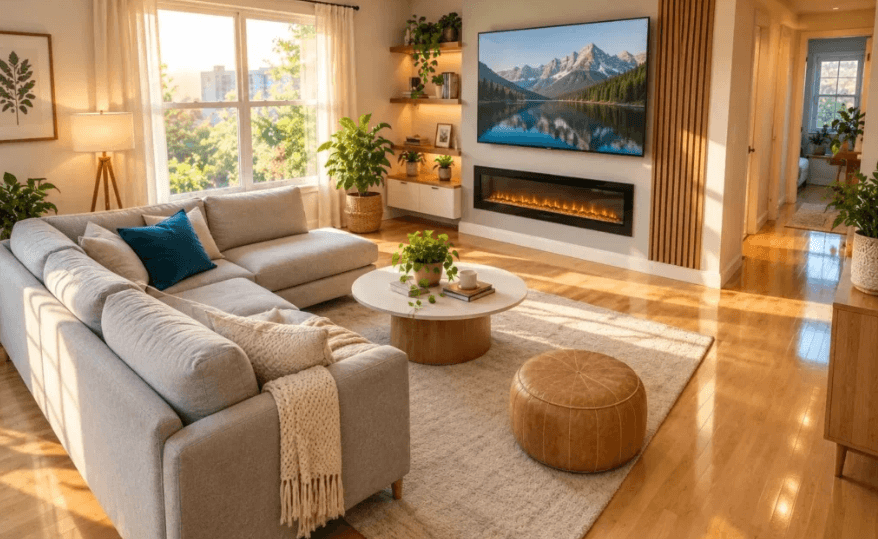
If you choose a substantial wooden piece, give it room to stand out. Avoid surrounding it with too many other large or visually heavy objects. A comfortable upholstered sofa, a textured rug, and a few carefully selected accessories can soften the strong lines of the furniture.
Consider these combinations:
- A Mission-style coffee table with a neutral linen sofa and a wool rug.
- A wooden bookcase styled with books, ceramic objects, and a few framed photographs.
- A pair of traditional armchairs with simple cushions and a contemporary floor lamp.
The goal is contrast, not uniformity. Mixing clean-lined wood furniture with softer upholstery makes the room feel welcoming while preserving the distinctive character of the style.
2. Use Wood Tones to Create a Cohesive Interior
Wood is one of the most important elements in Mission-inspired decorating. Its grain, color, and finish contribute much of the room’s warmth, so choosing complementary tones is essential.
A common mistake is assuming that every wooden item in a room must have exactly the same finish. In reality, an interior can include several wood tones and still feel harmonious. What matters is how those tones relate to one another.
For example, a darker oak dining table can work alongside a lighter wood floor if the room includes connecting elements such as a wooden picture frame, a side table, or a warm-toned woven rug.
A few simple guidelines can help:
- Choose one dominant wood tone for the largest furniture pieces.
- Introduce a second tone through smaller furniture or decorative details.
- Pay attention to undertones; warm woods generally work well with warm neutrals.
- Use rugs and upholstery to create visual separation between furniture and flooring.
- Avoid adding too many competing finishes in a small room.
If you are starting with an existing collection of furniture, look for shared characteristics rather than trying to match every finish perfectly. Similar warmth, grain patterns, or proportions can create a connection between otherwise different pieces.
3. Make the Dining Room Feel Welcoming and Functional
Mission design is particularly well suited to dining spaces because it places a strong emphasis on usefulness and comfortable proportions. A sturdy dining table can become the natural center of the room, while chairs with simple lines keep the overall look consistent.
Before choosing a table, consider how the room is used. A household that regularly hosts guests may benefit from an extendable table, while a smaller dining area may need a compact rectangular or round design that leaves enough space to move around comfortably.
The surrounding details matter just as much as the table itself.
A pendant light can create a focal point above the dining surface, while a simple centerpiece adds personality without making the table difficult to use. Linen runners, ceramic serving pieces, and understated wall art complement the natural materials associated with the style.
For a more contemporary interpretation, consider pairing traditional wooden dining furniture with modern lighting or upholstered seating. This combination keeps the room from feeling like a historical recreation.
4. Bring Warmth and Simplicity into the Bedroom
Bedrooms benefit from the calm, uncluttered appearance of Mission furniture. A wooden bed frame with straightforward lines can provide a strong foundation for the room without making it feel overly formal.
Bedside tables, dressers, and chests can reinforce the look, but it is important to consider scale. A large dresser may be practical, yet it can dominate a small bedroom if the bed and other furniture are already substantial.
To create a balanced space, use soft textures to offset the strength of the wood. Cotton bedding, wool throws, linen curtains, and a comfortable rug introduce layers without adding unnecessary visual complexity.
Lighting can also change the atmosphere considerably. Bedside lamps with warm bulbs create a softer environment, while simple shades and understated bases complement the furniture’s clean geometry.
Keep decorative objects intentional. A few personal items, a framed print, or a small plant can make the room feel individual without sacrificing the simplicity that makes Mission design appealing.
5. Combine Traditional Furniture with Modern Decor
One of the biggest advantages of Mission-style furniture is its ability to work beyond traditionally decorated homes. Its geometric shapes and restrained detailing make it easier to combine with contemporary elements than many heavily ornamented furniture styles.
The key is to create a deliberate relationship between old and new.
For example, a traditional oak sideboard can look striking beneath a modern abstract print. A Mission-style desk can fit comfortably into a home office with a streamlined task lamp and contemporary desk accessories. Even a classic wooden bookcase can become part of a modern interior when styled with a thoughtful mixture of books, plants, and sculptural objects.
Try these combinations:
Mission and modern minimalism: Keep the color palette restrained and let the furniture’s shape and material provide interest.
Mission and Scandinavian design: Combine warm wood with light walls, natural textiles, and functional accessories.
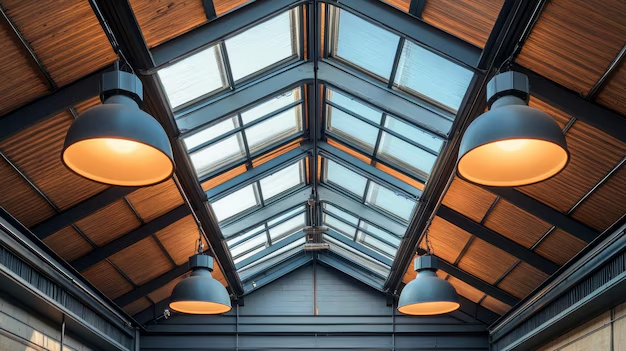
Mission and industrial decor: Introduce metal lighting, simple hardware, and textured surfaces to create contrast with the wood.
Mission and transitional interiors: Mix traditional furniture with contemporary upholstery, neutral colors, and understated decorative pieces.
You do not need to commit to a single design category. A home often feels more personal when it brings together different influences in a consistent way.
6. Choose Lighting That Highlights Natural Materials
Lighting can either enhance the character of Mission furniture or make it feel visually heavy. The best approach is to use several sources of light rather than relying on one bright overhead fixture.
Ambient lighting establishes the general mood of a room. Task lighting makes specific activities easier, while accent lighting draws attention to artwork, shelving, or architectural details.
Warm lighting is particularly effective with natural wood because it helps bring out the richness of the grain. Table lamps, floor lamps, and wall sconces can also introduce softer shapes that balance the furniture’s straight lines.
When selecting fixtures, consider simple forms and materials that complement the room. Glass, metal, fabric, and ceramic can all work well, provided they do not compete with the furniture for attention.
7. Pay Attention to Scale, Layout, and Empty Space
Mission furniture often has a substantial appearance, so room planning is important. Even a beautiful piece can feel out of place if it blocks circulation or makes the room appear crowded.
Start by measuring the space and the furniture before making a purchase. Include doorways, walkways, and the clearance needed to open drawers or pull out chairs. In a dining room, allow enough room for people to sit and move comfortably. In a living room, arrange seating around conversation and everyday activities rather than simply pushing everything against the walls.
Empty space is not wasted space. It gives individual pieces room to be appreciated and helps a room feel more relaxed.
If you are furnishing a smaller home, choose fewer pieces that serve clear purposes. A well-made bookcase or a compact storage cabinet can provide practical value while contributing to the overall design.
8. Look Beyond Appearance When Choosing Furniture
A furniture purchase should work for your home over the long term. Style is important, but construction, materials, comfort, and maintenance deserve equal consideration.
When comparing pieces, pay attention to the following:
- Materials: Understand whether the furniture is made from solid wood, veneer, engineered materials, or a combination.
- Construction: Look for secure joints, stable frames, and drawers or doors that operate smoothly.
- Finish: Consider how the surface will respond to everyday use and what care it requires.
- Comfort: For chairs and upholstered furniture, check seat height, support, and dimensions.
- Proportion: Make sure the piece suits the room rather than choosing solely by appearance.
The label “Mission style” describes an aesthetic, not a guarantee of a particular manufacturing method. Two pieces may look similar while differing considerably in their materials and construction. Reading product details and asking questions before purchasing can help you make a more informed decision.
For homeowners drawn to this enduring aesthetic, exploring a curated collection of mission style furniture can help clarify the range of forms, finishes, and furnishings available.
Frequently Asked Questions
Is Mission-style furniture still in fashion?
Yes. Its appeal comes from qualities that are not especially dependent on trends: simple forms, natural materials, functional design, and visible craftsmanship. It can feel traditional or contemporary depending on the furniture, finishes, and accessories surrounding it.
What is the difference between Mission and Craftsman furniture?
The terms are closely related, but they are not always interchangeable. Craftsman is a broader design tradition associated with the Arts and Crafts movement, while Mission furniture is a more specific expression recognized for its straight lines, flat panels, and restrained detailing.
What colors work best with Mission-style furniture?
Warm neutrals, cream, beige, muted green, earthy brown, and soft gray are all good options. These colors complement natural wood without competing with its grain. Deeper accent colors can add contrast when used thoughtfully.
Can Mission furniture work in a small home?
Absolutely. The important thing is to choose pieces with appropriate dimensions and avoid overcrowding the room. A compact desk, a narrow bookcase, or a modest dining table can introduce the style without taking over the available space.
Does Mission furniture have to be made from oak?
No. Oak is strongly associated with traditional Mission furniture, but other woods can also be used. The defining qualities are the overall design, proportions, construction details, and restrained ornamentation rather than one material alone.
How do you keep Mission-style interiors from looking dated?
Balance traditional wooden furniture with contemporary elements. Modern lighting, simple artwork, fresh textiles, uncluttered surfaces, and a thoughtful color palette can make the style feel current while preserving its original character.
Final Thoughts
A timeless interior is not created by filling every room with matching furniture or following a strict decorating formula. It comes from choosing pieces that suit the way you live and combining them in a way that feels natural.
Mission-style furniture offers a strong foundation for that approach. Its clean geometry, warm wood character, and practical design can bring structure and personality to living rooms, dining areas, bedrooms, and home offices. Pair it with comfortable textiles, considered lighting, and a few contemporary details, and the result can feel both rooted in tradition and entirely at home today.