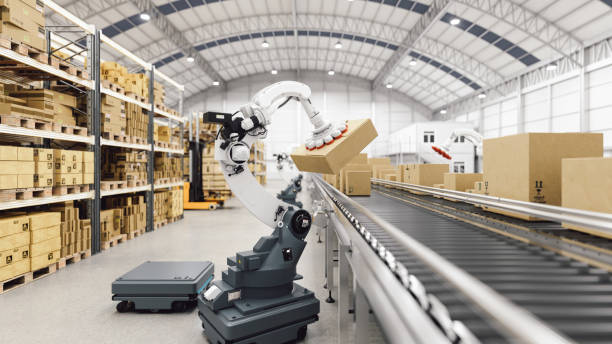
Modern warehouses are no longer simply spaces for storing products. They have become highly coordinated operational environments where inventory, equipment, people, data, and transportation systems must work together efficiently. As businesses handle larger product volumes and increasingly complex fulfilment requirements, technology and infrastructure have become essential components of warehouse planning.
Businesses are increasingly exploring warehouse robotics solutions to improve material movement, inventory handling, picking, sorting, and other repetitive processes. However, successful implementation depends on more than selecting automated equipment. The building layout, electrical systems, connectivity, storage configuration, and operational processes must all support the technology being introduced.
Why Technology Is Transforming Modern Warehouses
Technology is changing how warehouses manage inventory and move materials throughout their facilities. Automated equipment, digital monitoring systems, sensors, and connected devices can provide businesses with greater visibility into day-to-day activities.
However, technology delivers the most value when it is integrated into a suitable physical environment. Warehouse managers should therefore consider infrastructure requirements alongside automation objectives when planning improvements.
Automating Repetitive Warehouse Tasks
Repetitive warehouse activities can consume significant amounts of employee time and may create bottlenecks during busy operating periods. Automation can assist with tasks such as transporting materials, moving inventory between zones, sorting products, and supporting order preparation.
The appropriate technology depends on the facility’s layout and workflow. Businesses should first identify repetitive processes and determine whether automation can address a specific operational challenge rather than introducing technology simply because it is available.
Improving Inventory Visibility
Modern warehouse technology can connect physical inventory movements with digital information. Scanning systems, sensors, software platforms, and automated equipment can provide information about where products are located and how they move through the facility.
Better visibility can help businesses identify misplaced inventory, monitor movement patterns, and understand operational bottlenecks. When technology and warehouse processes are properly coordinated, managers can make decisions using more consistent operational information.
Building Infrastructure for Warehouse Robotics Solutions
Warehouse robotics solutions require an infrastructure that can support their movement, operation, communication, and maintenance. A robotic system may depend on suitable floor conditions, clear travel paths, charging or power infrastructure, network connectivity, and appropriate integration with existing warehouse systems.
Before implementing automation, businesses should assess whether their current facility is ready. Addressing infrastructure limitations early can make installation and future expansion more manageable.
Evaluate Floor and Layout Conditions
Warehouse robots and automated equipment depend on predictable movement paths. Uneven surfaces, restricted aisles, poorly positioned storage, or frequent obstructions can interfere with automated workflows.
Businesses should evaluate:
- Floor condition and load capacity
- Aisle widths and turning areas
- Equipment travel routes
- Storage locations
- Loading and unloading zones
- Maintenance access points
A facility layout designed around clear and logical movement can provide a stronger foundation for automation.
Plan Electrical and Charging Infrastructure
Automated equipment may require dedicated electrical connections, charging areas, control equipment, or additional power capacity. These requirements should be identified before installation begins.
Businesses should consider where equipment will receive power, how charging areas will be positioned, and whether existing electrical infrastructure can support future requirements. Early planning can prevent operational conflicts and reduce the need for disruptive modifications later.
Selecting the Right Warehouse Robotics Company
Choosing a warehouse robotics company involves more than comparing individual technologies. Businesses should evaluate how the proposed system will interact with their existing facility, equipment, processes, and future plans.
A suitable implementation approach should consider the entire operational environment. This includes site preparation, system integration, installation, testing, employee training, maintenance access, and scalability.
Assess Integration Requirements
Robotic equipment rarely operates in isolation. It may need to communicate with warehouse management systems, conveyor equipment, scanners, sensors, storage systems, or other operational technologies.
Before selecting a solution, businesses should map existing workflows and determine where the robotic system will connect with current processes. Clear integration planning can help avoid creating separate technology systems that are difficult to coordinate.
Consider Future Expansion
Warehouse requirements can change as businesses add products, increase order volumes, or modify their distribution strategies. A robotics solution should therefore be considered as part of a longer-term facility plan.
Businesses should ask whether additional equipment can be added later, whether travel routes can be expanded, and whether the supporting infrastructure has enough capacity for future requirements. Planning for growth can reduce the need for major redesigns as operations evolve.
The Importance of Connected Warehouse Infrastructure
Technology works best when the physical and digital elements of a warehouse operate as a coordinated system. Connectivity can support communication between equipment, sensors, software, and monitoring platforms.
MTLI Group can help businesses approach warehouse technology and infrastructure as interconnected requirements rather than isolated projects. This type of planning can make it easier to identify dependencies before installation and coordinate improvements with existing operations.
Strengthen Data and Network Connectivity
Automated warehouse equipment often depends on reliable communication between devices and control systems. Network coverage, equipment connectivity, and system architecture should therefore be considered during facility planning.
Businesses should identify areas where connectivity could be affected by building structure, equipment placement, or warehouse configuration. Testing network performance before full implementation can help identify potential gaps and allow adjustments before operations depend on the technology.
Use Real-Time Monitoring
Monitoring systems can provide information about equipment activity, operational performance, and potential maintenance requirements. This information can help warehouse teams understand how systems are performing during daily operations.
Businesses can establish dashboards or reporting processes that focus on practical indicators such as equipment availability, workflow interruptions, system activity, and maintenance requirements. The goal should be to turn operational information into useful decisions.
Preparing Employees for Technology-Driven Warehousing
Technology changes the way employees interact with warehouse processes. Even highly automated facilities require people to monitor systems, manage exceptions, perform maintenance activities, and respond to operational changes.
Employee preparation should therefore be included in technology planning from the beginning. Clear procedures and practical training can help teams understand how new equipment fits into existing workflows.
Provide Practical Training
Training should focus on how employees will actually interact with the new technology. Depending on the system, employees may need to understand equipment controls, exception handling, safety procedures, system notifications, and basic troubleshooting.
Useful training areas may include:
- Normal operating procedures
- Equipment monitoring
- Exception management
- Maintenance reporting
- Emergency procedures
- Communication protocols
Practical training can help employees become more comfortable with technology and improve the consistency of daily operations.
Establish Maintenance Responsibilities
Automated equipment requires ongoing attention to maintain reliable operation. Businesses should establish responsibilities for inspections, maintenance requests, system monitoring, and service coordination.
Maintenance access should also be considered during the initial warehouse layout. Equipment that is difficult to reach can make routine servicing more complicated, so adequate space and clear access routes should be included in the design.
Combining Technology With Physical Infrastructure
A successful modern warehouse requires more than advanced technology. Storage systems, conveyors, electrical infrastructure, building layout, material-handling equipment, network connectivity, and maintenance areas all need to work together.
A warehouse robotics company may provide technology expertise, but businesses should also consider how that technology fits into the broader facility environment. MTLI Group can support an integrated approach where infrastructure and operational requirements are considered alongside automation planning.
Create a Technology-Ready Warehouse
Businesses planning future automation should consider infrastructure requirements even if they are not ready to automate every process immediately. Preparing suitable power capacity, network infrastructure, clear travel routes, and flexible layouts can make future technology adoption easier.
A technology-ready facility can provide greater flexibility as automation requirements evolve. Instead of redesigning the warehouse each time new technology is introduced, businesses can build adaptability into their infrastructure from the start.
Conclusion
Technology and infrastructure are closely connected in modern warehousing. Warehouse robotics solutions can support material movement, inventory handling, workflow coordination, and operational visibility, but their effectiveness depends on suitable facility conditions and thoughtful integration.
Businesses should evaluate warehouse layouts, electrical capacity, connectivity, storage arrangements, maintenance access, and employee requirements before implementing new technology. Working with a qualified warehouse robotics company can also help organizations evaluate integration and future expansion requirements.
Modern warehouse planning should focus on creating an environment where technology and infrastructure complement each other. By taking an integrated approach to automation, connectivity, facility design, and maintenance, businesses can build warehouses that are better prepared for changing operational demands. MTLI Group can help businesses coordinate these infrastructure and technology considerations as they develop more connected and adaptable warehouse environments.