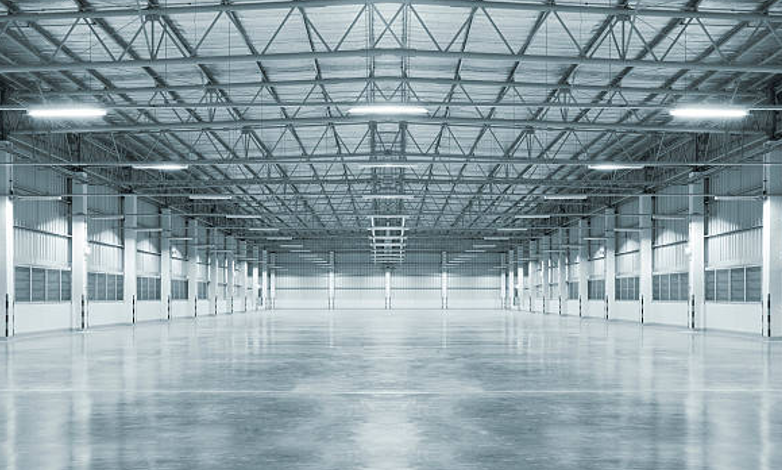
Flooring needs to do more than look attractive. It should suit the way a property is used, withstand everyday traffic, remain manageable to clean, and deliver a finish that continues to complement the space over time. This is why polished concrete has become an option worth considering for residential, commercial, and other high-use environments.
For property owners considering polished concrete floors Sunshine Coast, the decision involves more than choosing a colour or gloss level. The existing slab, preparation requirements, aggregate exposure, intended use, traffic patterns, maintenance expectations, and installation process can all influence the finished result.
Polished concrete is mechanically refined from the existing concrete surface, allowing the finished floor to retain the character of the slab while achieving a more refined appearance. When properly assessed and specified, it can combine practical performance with a contemporary architectural finish.
Explore polished concrete floors Sunshine Coast
Why Are Polished Concrete Floors Considered for Sunshine Coast Properties?
Sunshine Coast properties can experience a combination of regular foot traffic, fine grit, moisture around entrances, and changing usage patterns. These conditions make flooring durability and maintenance important considerations.
Mechanically polished concrete creates a dense, refined surface by progressively grinding and polishing the concrete. Because the finish is developed from the concrete itself rather than relying on a conventional surface coating, it can provide a durable option for spaces that need to remain presentable under regular use.
Another advantage is its visual versatility. Depending on the slab and selected specification, polished concrete can have a subtle natural appearance or a more prominent stone-exposed finish. Different gloss levels can also alter how light interacts with the floor.
For Sunshine Coast properties, practical maintenance is particularly relevant. Fine sand and grit can be abrasive in busy walkways, meaning regular cleaning and sensible entry management can help protect the appearance of the finished surface. The appropriate finish should therefore be selected according to both aesthetics and everyday conditions.
How Are Polished Concrete Floors Created?
The appearance and performance of polished concrete depend heavily on the process used to prepare and refine the slab. Mechanical polishing is generally completed through a series of stages, with the exact sequence determined by the existing surface and desired finish.
What Happens During Concrete Grinding?
Concrete grinding prepares the slab for the later polishing stages. Existing imperfections, surface contamination, old coatings, adhesives, uneven sections, and other issues may need to be addressed before refinement can begin.
Diamond tooling is used progressively to grind and level the surface. The depth of grinding is particularly important because it can influence how much aggregate becomes visible.
If the property owner wants a particular exposure level, the existing concrete must be capable of supporting that outcome. Older slabs, repaired areas, variable aggregate distribution, and previous surface treatments can affect consistency.
Preparation is therefore not simply a preliminary step. It is one of the factors that determines how achievable the selected appearance will be.
How Is the Final Polish Achieved?
After the required grinding stage, progressively finer diamond abrasives are used to hone and polish the concrete. This gradually refines the surface and develops the desired level of sheen.
Densification may also be incorporated into the system to help strengthen the concrete surface and reduce dusting. The final treatment depends on the project specification and intended use.
The result can range from a low-sheen matte appearance to a stronger high-gloss finish. The choice should consider lighting, traffic, cleaning requirements, and the overall design of the property rather than appearance alone.
What Design Options Can You Choose?
One of the most useful aspects of polished concrete is the ability to create different visual outcomes from the same basic material.
Stone exposure is an important consideration. A cream or minimal exposure finish retains a relatively uniform concrete appearance with little visible stone. A salt and pepper finish introduces fine to medium aggregate across the surface, while full exposure involves deeper grinding to reveal more of the stone profile.
The condition and composition of the existing slab influence what can be achieved. Full aggregate exposure is generally easier to specify when a new slab has been designed with polishing in mind because aggregate distribution can be planned more carefully.
Gloss level provides another design choice. Matte finishes have limited reflection and provide a natural appearance. Satin finishes offer moderate sheen, while high-gloss finishes create stronger light reflection.
For areas exposed to sand and heavy traffic, a very high gloss may require more attention to cleaning because traffic lanes and fine grit can become more noticeable. A lower or moderate sheen can sometimes offer a more practical balance between appearance and everyday upkeep.
Where Can Polished Concrete Be Used?
Polished concrete can suit a variety of environments when the finish is selected according to the property’s requirements.
Residential Applications
Within residential properties, polished concrete can be considered for living rooms, kitchens, hallways, garages, entry spaces, and indoor entertaining areas.
Open-plan interiors can benefit from the continuous appearance of a polished concrete surface. The absence of traditional flooring joints can also contribute to a clean architectural aesthetic.
However, residential flooring still requires careful planning. The desired appearance, existing slab condition, exposure level, lighting, furniture layout, and cleaning routine should all be considered before selecting the finish.
Commercial Applications
Commercial spaces often place greater demands on flooring. Retail stores, offices, cafes, showrooms, reception areas, and open-plan commercial environments may experience regular foot traffic throughout the day.
Polished concrete can provide a hard-wearing surface that is relatively straightforward to maintain when appropriately specified. It can also help create a consistent appearance across larger areas.
For commercial properties, project planning is especially important. Work may need to be staged around other trades, access restrictions, operating hours, or fit-out schedules. A clear scope and practical installation plan can reduce disruption and help protect the completed floor.
What Are the Maintenance Requirements?
Polished concrete is generally associated with straightforward maintenance, but that does not mean it should be neglected.
Routine dust and grit removal is important, especially in areas where outdoor debris is frequently brought inside. Fine sand can act as an abrasive under foot traffic, potentially affecting the sheen in heavily used paths over time.
Damp mopping with an appropriate cleaning product can help remove accumulated dirt without unnecessarily affecting the surface. Spills should also be dealt with promptly, particularly in areas where staining or contamination could become a concern.
The appropriate maintenance routine depends on the flooring system, usage level, and environmental conditions. Commercial facilities should establish a consistent cleaning schedule and ensure cleaning teams understand which products and methods are suitable.
Professional maintenance may also be appropriate periodically depending on traffic and the selected system. Clear aftercare guidance at handover can help property teams understand what to use and what to avoid.
What Can Affect the Cost and Project Scope?
The cost and complexity of a polished concrete project can vary significantly because every slab presents different conditions.
Floor area is an obvious consideration, but it is not the only one. The condition of the concrete, existing coatings, surface contamination, cracks, repairs, uneven areas, required preparation, access, and desired finish can all affect the project scope.
The selected aggregate exposure can also influence the amount of grinding required. Deeper exposure may require more extensive surface preparation than a minimal exposure finish.
Site logistics matter as well. Machinery needs suitable access, while commercial projects may have restrictions relating to power, operating hours, other trades, or occupied areas.
A detailed site assessment helps establish what is achievable and allows the scope to account for preparation and logistical requirements before work begins.
Why Is Professional Surface Preparation Important?
The quality of the existing slab can have a major influence on the final floor. Cracks, old coatings, adhesive residue, repairs, level variations, and contamination should be identified before polishing begins.
Moisture considerations may also need to be assessed, particularly where the building or slab has existing moisture-related concerns.
Surface preparation helps establish realistic expectations around the final appearance. Polishing does not make every slab look identical. Natural variations in aggregate distribution, repairs, joints, and concrete composition can remain visible.
A professional assessment can determine the appropriate grinding depth, exposure level, polishing sequence, and surface treatment. This is especially important when the finished floor is expected to have a consistent appearance across a large commercial area.
Allure Concrete Solutions assesses concrete condition, traffic patterns, desired exposure, gloss level, access, and maintenance expectations when planning Sunshine Coast commercial polishing projects. The company also provides staged delivery, dust-control practices, quality checks, and aftercare guidance as part of its commercial process.
How Should You Select a Polished Concrete Contractor?
Choosing a contractor should involve more than comparing the quoted price. Experience with similar surfaces and project types can be important because the quality of preparation and finish selection has a direct effect on the result.
Ask how the existing slab will be assessed and what preparation is likely to be required. Discuss the available exposure and gloss options, expected project stages, access requirements, maintenance recommendations, and potential limitations.
A clear scope should explain what is included in the work and identify preparation requirements before polishing begins. This can reduce misunderstandings about the expected appearance and project responsibilities.
For larger commercial spaces, ask how the contractor manages staging, machinery access, dust control, other trades, and handover. The ability to keep work zones organised can be particularly valuable when a project is operating around an active construction or commercial schedule.
It is also useful to request guidance on aftercare. A polished floor should have a practical maintenance plan that reflects the level of traffic and environmental conditions of the property.
Frequently Asked Questions About Polished Concrete Floors on the Sunshine Coast
Are polished concrete floors suitable for homes?
Yes. Polished concrete can be suitable for selected residential areas such as living spaces, kitchens, hallways, garages, and entertaining areas. The existing slab and desired finish should be assessed before deciding whether the system is appropriate.
Are polished concrete floors expensive?
Project pricing varies according to floor area, slab condition, preparation, repairs, exposure level, gloss selection, access, and overall project complexity. A site assessment and detailed scope provide a more useful basis for comparing costs than a generic price.
Can polished concrete be used in commercial spaces?
Yes. Polished concrete can be used in offices, retail environments, showrooms, cafes, reception areas, and other commercial spaces. The finish should be selected according to traffic, cleaning requirements, lighting, and the intended use of the floor.
How do you clean polished concrete?
Routine removal of dust and grit followed by appropriate damp mopping can help maintain the surface. Spills should be addressed promptly, and cleaning products should be suitable for the flooring system. Commercial sites should follow the aftercare guidance provided at handover.
Can the appearance of polished concrete be customized?
Yes. The appearance can vary through choices involving aggregate exposure and gloss level. Options can include minimal stone exposure, salt and pepper exposure, deeper full exposure, matte, satin, or high-gloss finishes. The existing slab ultimately determines which results are realistically achievable.
Conclusion
Polished concrete can be a practical flooring choice for Sunshine Coast properties when the system is properly matched to the slab, environment, traffic levels, and intended use. Its combination of durability, low-maintenance characteristics, and flexible visual finishes makes it suitable for a range of residential and commercial applications.
However, the finished appearance is strongly influenced by the condition of the existing concrete and the quality of surface preparation. Aggregate distribution, repairs, coatings, cracks, moisture considerations, grinding depth, and selected gloss level should all be discussed before work begins.
For the best long-term outcome, property owners should consider the complete flooring system rather than focusing only on appearance. A suitable finish, realistic maintenance routine, professional preparation, and clear project scope can help create a floor that remains practical and visually consistent over time.
Learn more about Allure Concrete Solutions and discuss your flooring requirements through the contact page.