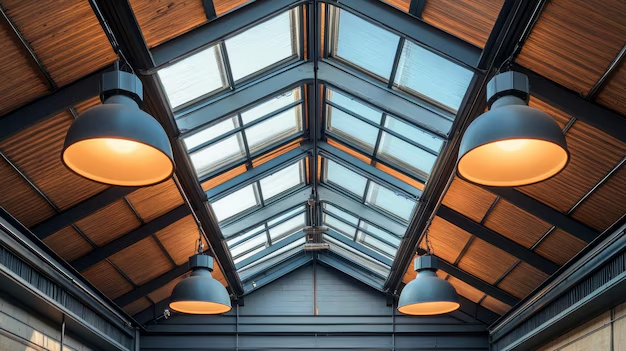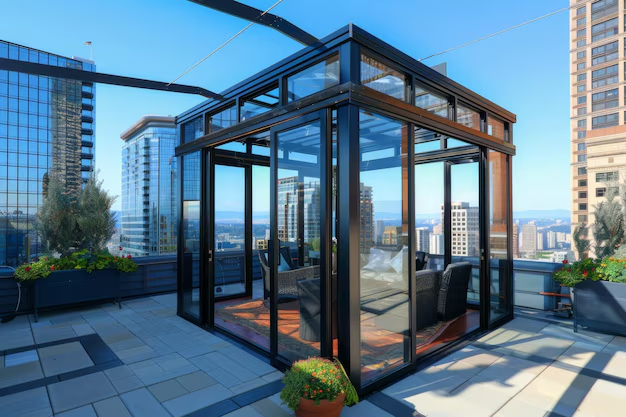
Glass has a way of changing the character of a space without making it feel crowded. With custom cut glass, homeowners, architects, and commercial property owners can create surfaces, partitions, doors, mirrors, and decorative features that fit the exact dimensions and visual style of a project. For projects that call for refined glasswork, Luxurious Glass offers options that bring precision and a polished finish to both residential and commercial interiors.
Glass Designed Around the Space
Standard glass panels are manufactured in predetermined sizes, which can create limitations during renovation or construction. Rooms rarely follow perfect measurements, especially in older properties, unusual layouts, and architecturally detailed interiors.
Custom-cut panels are made according to specific measurements. This allows glass to follow the dimensions of a wall, countertop, shower enclosure, railing, cabinet, or other architectural feature.
The difference can be subtle, but accurate sizing often gives the finished installation a cleaner appearance. There are fewer awkward gaps, unnecessary fillers, or compromises in the layout. A glass feature can look as though it was planned with the room rather than added afterward.
More Natural Light Without Sacrificing Privacy
Natural light can make an interior feel larger and more inviting. Glass partitions and interior doors can help distribute daylight between rooms while maintaining separation between different areas.
In an office, for example, a glass partition can divide private workspaces from shared areas without creating the enclosed feeling associated with solid walls. In homes, glass doors can separate a kitchen, study, or living area while allowing daylight to travel through the space.
Privacy does not have to mean giving up the advantages of glass. Frosted, textured, tinted, or patterned glass can reduce visibility while still allowing light to pass through. These options are particularly useful for bathrooms, conference rooms, entryways, and bedrooms.
A Cleaner Approach to Bathroom Design
Bathrooms are among the most common areas where custom glass makes a noticeable difference. Frameless shower enclosures, glass shower doors, and fixed panels can give a bathroom a more open appearance.
Precise measurements are especially valuable in shower installations because walls and floors are not always perfectly square. A panel manufactured to the actual dimensions of the enclosure can accommodate the layout more effectively than an off-the-shelf option.
Clear glass also keeps sightlines open. Instead of breaking the room into separate visual sections, the shower area remains connected to the rest of the bathroom. This can make smaller bathrooms appear more spacious.
For a more private setting, homeowners can choose frosted or textured glass. Hardware, edge finishes, and glass thickness can also be selected according to the overall design.
Making Commercial Interiors Feel More Open
Commercial spaces have their own demands. Offices, retail stores, restaurants, salons, hotels, and professional facilities often need a balance between openness, privacy, durability, and visual appeal.
Glass can help achieve that balance.
An office with glass conference rooms, for example, can maintain a sense of separation without blocking visibility throughout the workplace. Retail stores can use glass displays and partitions to keep products visible while defining different sections of the shop.
Restaurants and hospitality spaces can also use glass as part of their interior identity. Decorative partitions, glass doors, shelving, and mirrors can contribute to the atmosphere while serving practical purposes.
Because custom pieces can be produced to particular measurements, designers have greater freedom to work with unusual wall lengths, angles, openings, and architectural details.
Custom Glass for Kitchens and Living Areas
Glass is not limited to partitions and showers. Residential interiors offer plenty of opportunities for customized glass features.
Glass backsplashes are one example. Instead of working around the standard dimensions of tile, a glass backsplash can be manufactured to fit the wall area behind a cooktop, sink, or countertop. A single panel can also reduce the number of visible joints.
Glass shelving provides another option. In kitchens, bathrooms, and living rooms, shelves can add storage without creating the visual weight associated with solid cabinetry.
Glass tabletops can also be cut to specific shapes and dimensions. Round, rectangular, oval, and irregular designs can be incorporated into furniture according to the room’s layout.
Mirrors deserve consideration as well. A custom mirror can cover an entire wall, fit between architectural features, or follow a particular shape. In smaller interiors, strategically placed mirrors can reflect light and create greater visual depth.
Creating Distinctive Architectural Features
Some of the most memorable uses of glass are decorative rather than purely functional.
A shaped glass panel can become a focal point in an entryway. Decorative glass can add character to a staircase or room divider. Tinted or textured panels can introduce subtle color and pattern without overwhelming the surrounding design.
Glass can also be combined with wood, metal, stone, and other materials. This makes it useful across a wide range of interior styles, from traditional homes to minimalist offices.
For designers, the ability to specify dimensions and finishes provides more control over the final appearance. Instead of selecting a product first and adapting the room around it, the glass can be incorporated into the design from the beginning.
The Practical Side of Custom Glass
Appearance is only one consideration. The glass selected for a project should also be appropriate for its intended use.
Different applications may require different types of glass, thicknesses, edge treatments, and safety characteristics. Shower enclosures, doors, tabletops, partitions, and railings do not necessarily have the same technical requirements.
Professional measurement is another important part of the process. Small inaccuracies can become noticeable once a large glass panel is installed. Accurate measurements help ensure that the finished piece fits properly and works with surrounding hardware and surfaces.
The installation environment should also be considered. Factors such as moisture, frequent contact, temperature changes, and daily traffic can influence the type of glass and hardware that is appropriate for a particular space.
Why Precision Matters
The appeal of custom glass often comes down to details that are easy to overlook.
A shower door that aligns correctly with the surrounding tile. A partition that reaches precisely from floor to ceiling. A tabletop that follows the shape of its base. A mirror that fits neatly between two walls.
These details contribute to a finished appearance that feels intentional.
Poorly measured or unsuitable glass can have the opposite effect. Even an attractive design may look unfinished if panels do not align properly or hardware does not complement the installation.
For that reason, custom glass projects benefit from careful planning before fabrication begins. Measurements, glass type, thickness, edgework, mounting method, hardware, and finish should all be considered together.
See also: The Role of Technology and Infrastructure in Modern Warehousing
Residential and Commercial Possibilities Continue to Expand
Glass has moved far beyond its traditional role as a window material. It now appears throughout interiors as a structural, functional, and decorative element.
Homeowners can use it to create brighter bathrooms, open-plan interiors, custom furniture, mirrors, kitchen features, and room dividers. Businesses can incorporate glass into offices, storefronts, hospitality areas, reception spaces, conference rooms, and displays.
The ability to customize dimensions makes these applications particularly flexible. A project does not have to follow the limitations of mass-produced panels. Glass can be specified according to the architecture, function, and design requirements of the space.
Giving a Space a More Refined Finish
Good interior design is often found in the relationship between materials rather than in any single feature. Glass works particularly well because it can add structure without visually dominating its surroundings.
A carefully measured glass partition can define a room while keeping it bright. A custom shower enclosure can make a bathroom feel more open. A shaped tabletop can give furniture a distinctive character. A decorative panel can add visual interest to an otherwise plain wall.
These applications demonstrate why custom glass remains such a useful material for residential and commercial projects. It offers flexibility in size, shape, finish, and application while fitting naturally into many different design styles.
For property owners, designers, builders, and architects planning a glass installation, choosing the right specifications early can make a significant difference to the final result. Working with experienced glass professionals can also help ensure that measurements, materials, fabrication, and installation are handled with the attention each project requires. For tailored glasswork that fits the character and requirements of your space, contact us today and discuss your project with Luxurious Glass.